











LA TEMPÊTE BDK PARFUMS X JÉRÉMY PRADIER-JEAUNEAU
JÉRÉMY PRADIER-JEAUNEAU AT THE ARC DE TRIOMPHE
9 September to 4 October 2026
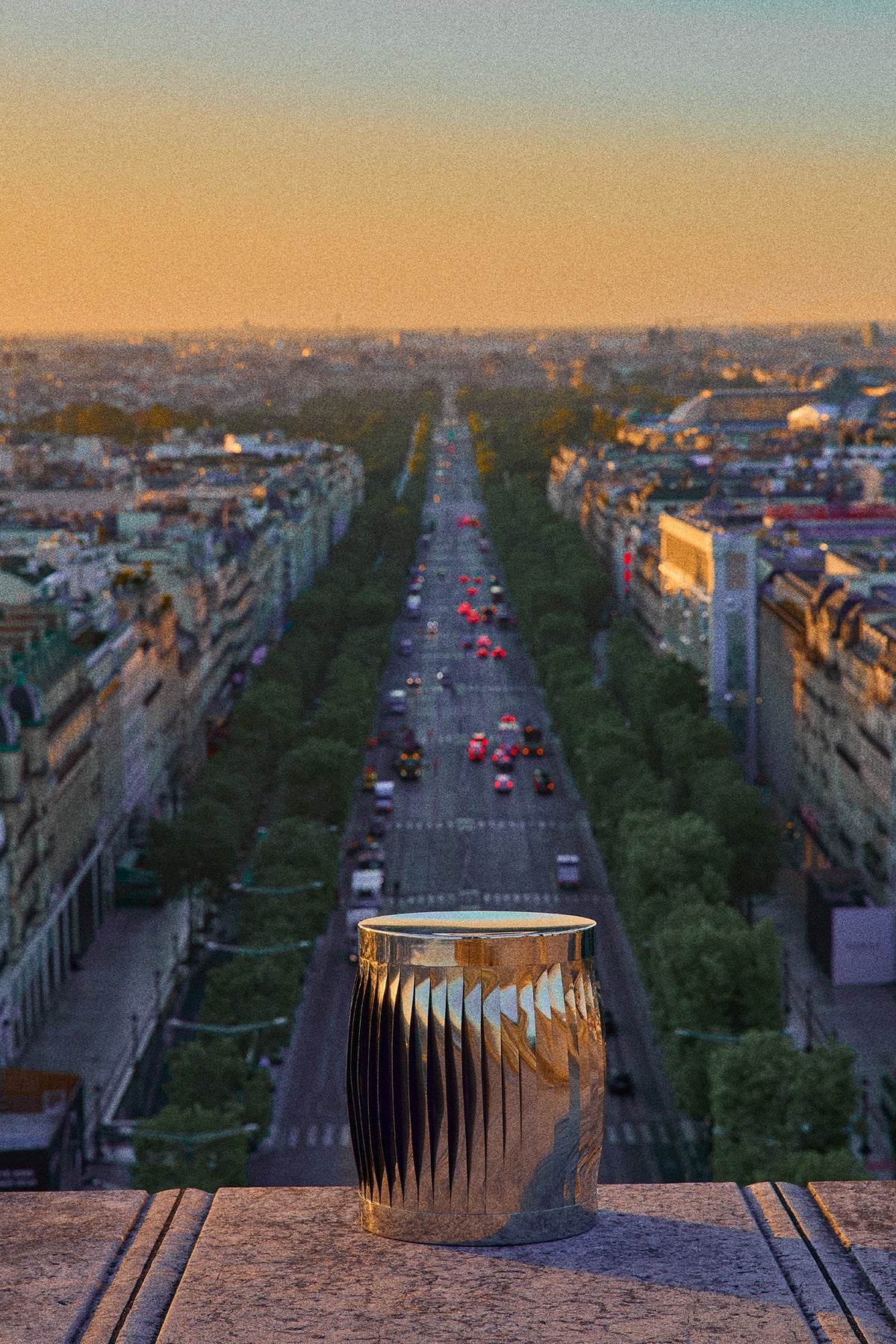
The Centre des monuments nationaux has invited the artist Jérémy Pradier-Jeauneau to present a monumental exhibition throughout the Arc de Triomphe. This immersive journey offers a contemporary reinterpretation of this emblematic landmark, revealing its history and architecture from an unprecedented perspective: that of the artist. Jérémy introduces a childhood memory into the heart of the monument, as a disruptive element within official History.
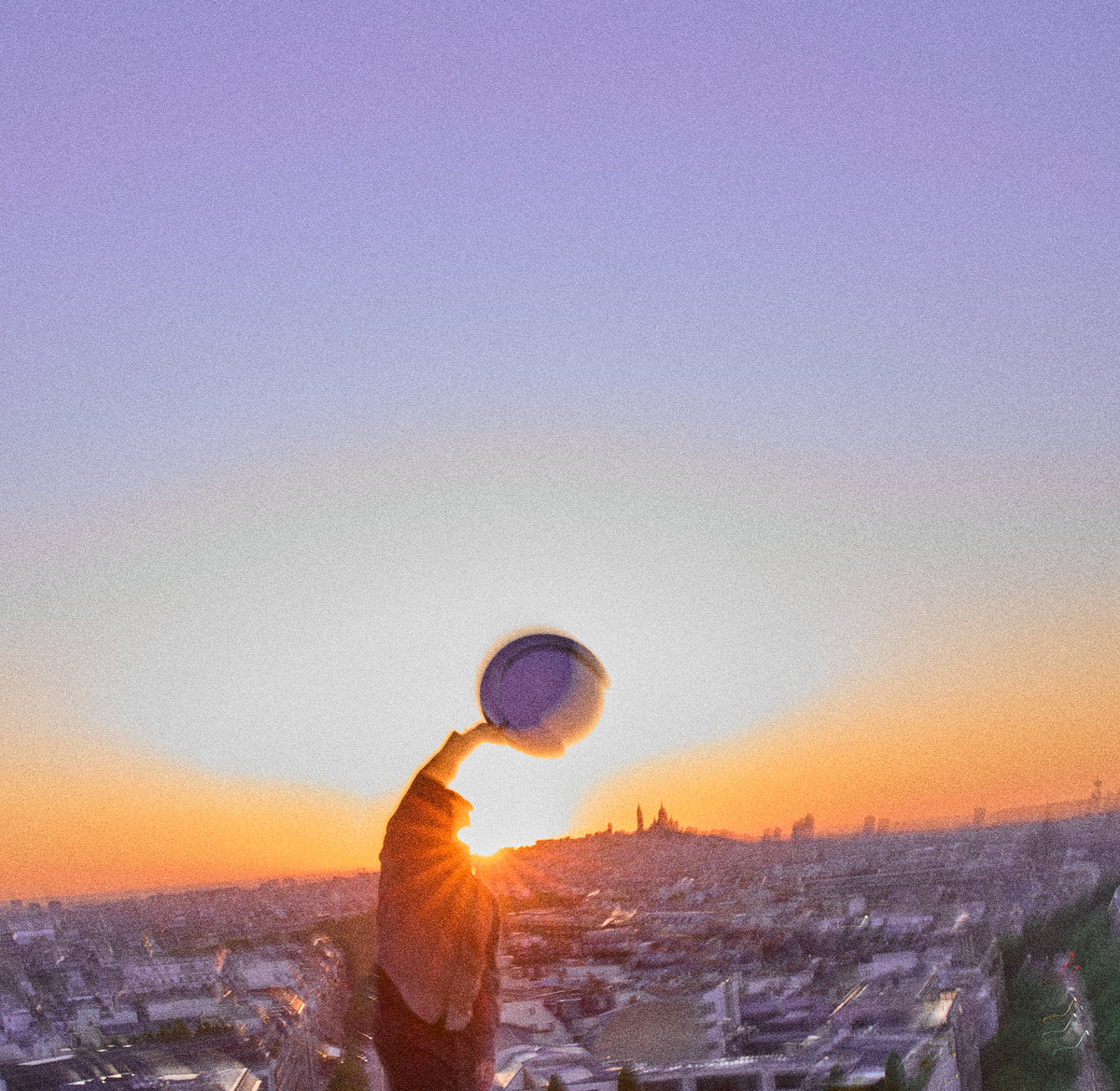
As part of this artistic and sensory journey, BDK Parfums has created an olfactory experience in collaboration with Dominique Ropion, Master Perfumer at IFF. Conceived as an extension of the exhibition route, this olfactory creation accompanies the show and evolves through the different stages of the monument, between memory, matter and emotion.
From fashion to contemporary art, Jérémy Pradier-Jeauneau blends modes of expression, proving himself to be a multidisciplinary artist.
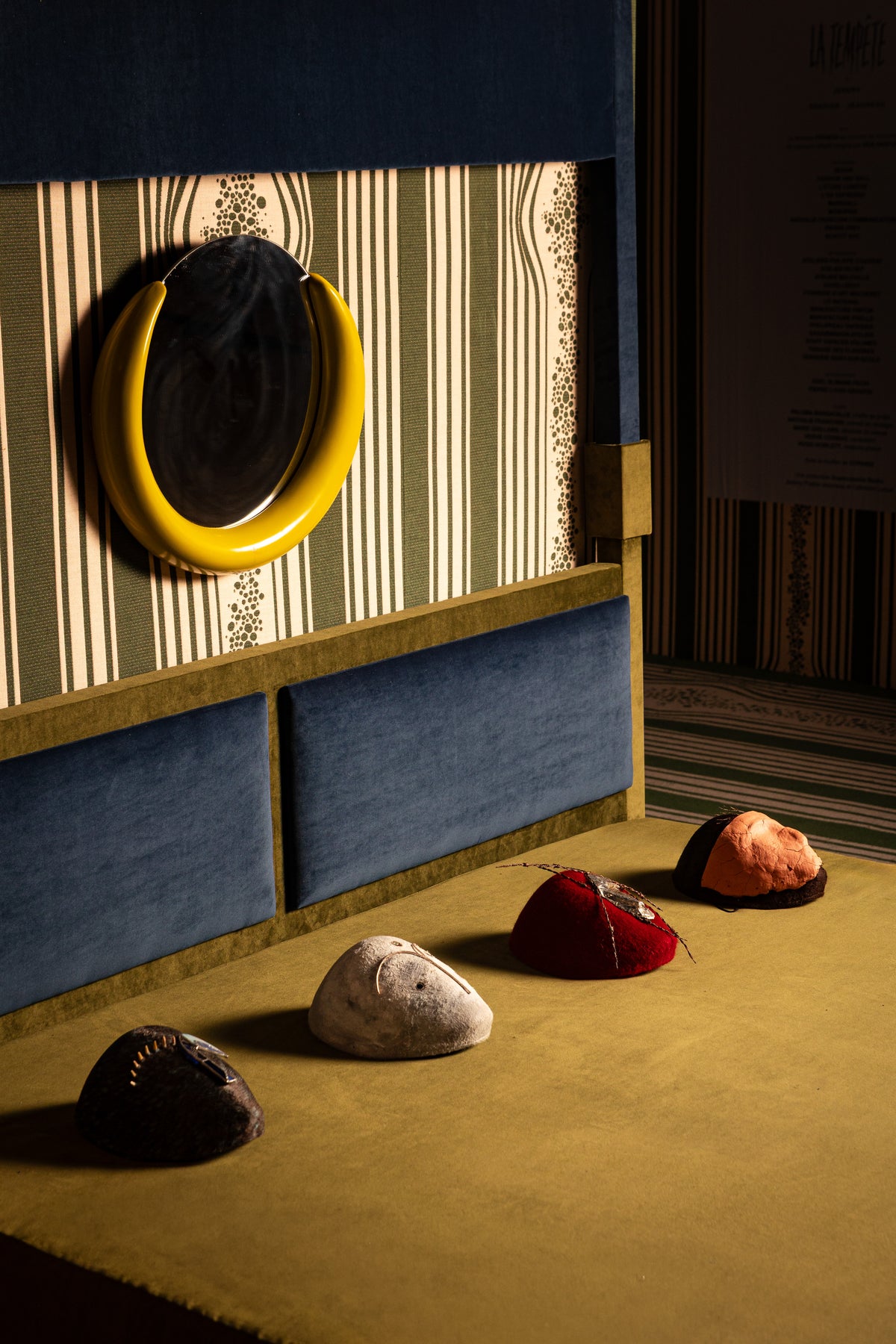
JÉRÉMY PRADIER-JEAUNEAU
For several years, Jérémy Pradier-Jeauneau has been developing a singular body of work at the crossroads of several disciplines. With this carte blanche within an iconic monument, he asserts a personal and ambitious gesture: showing the intimate as a force for change.
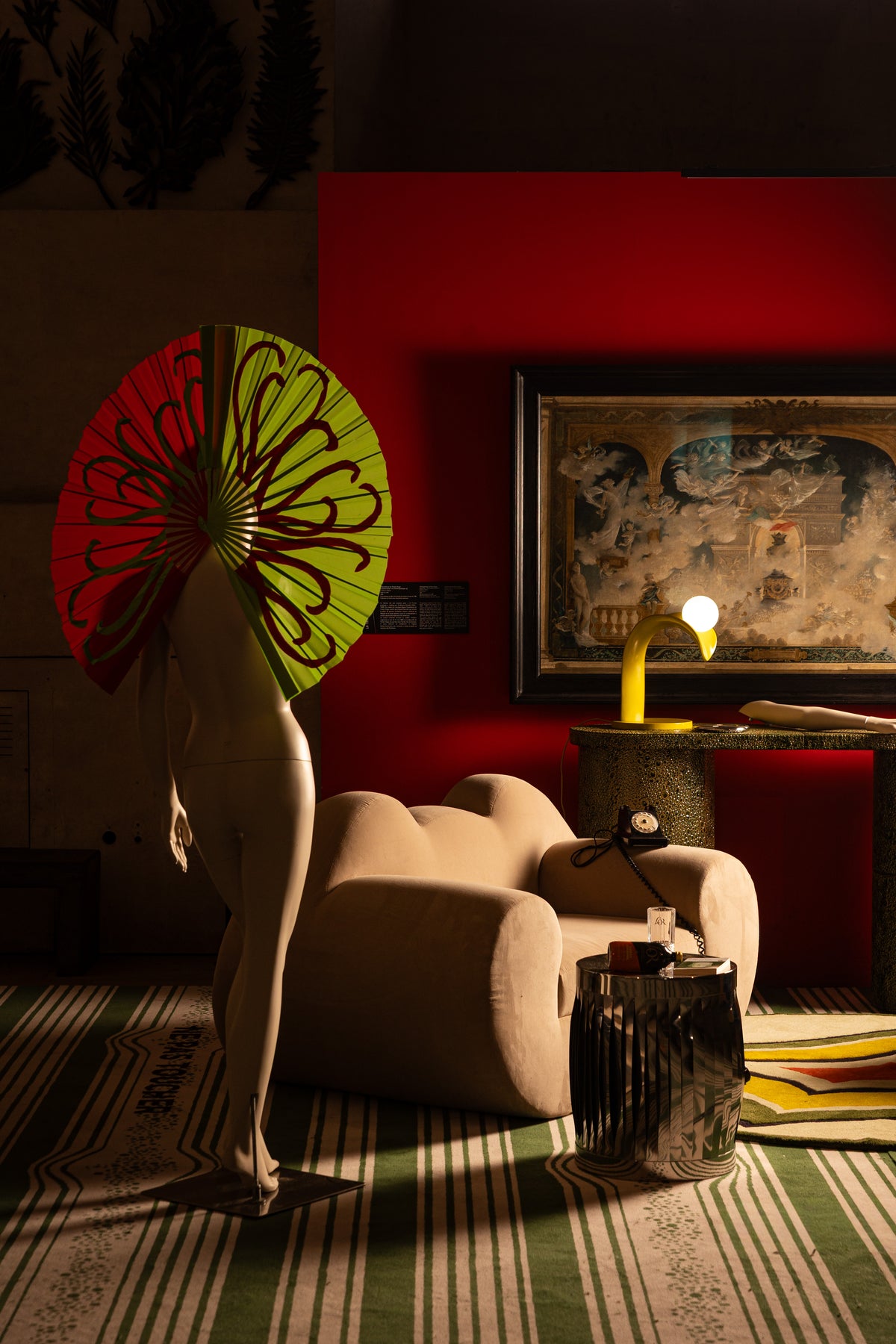
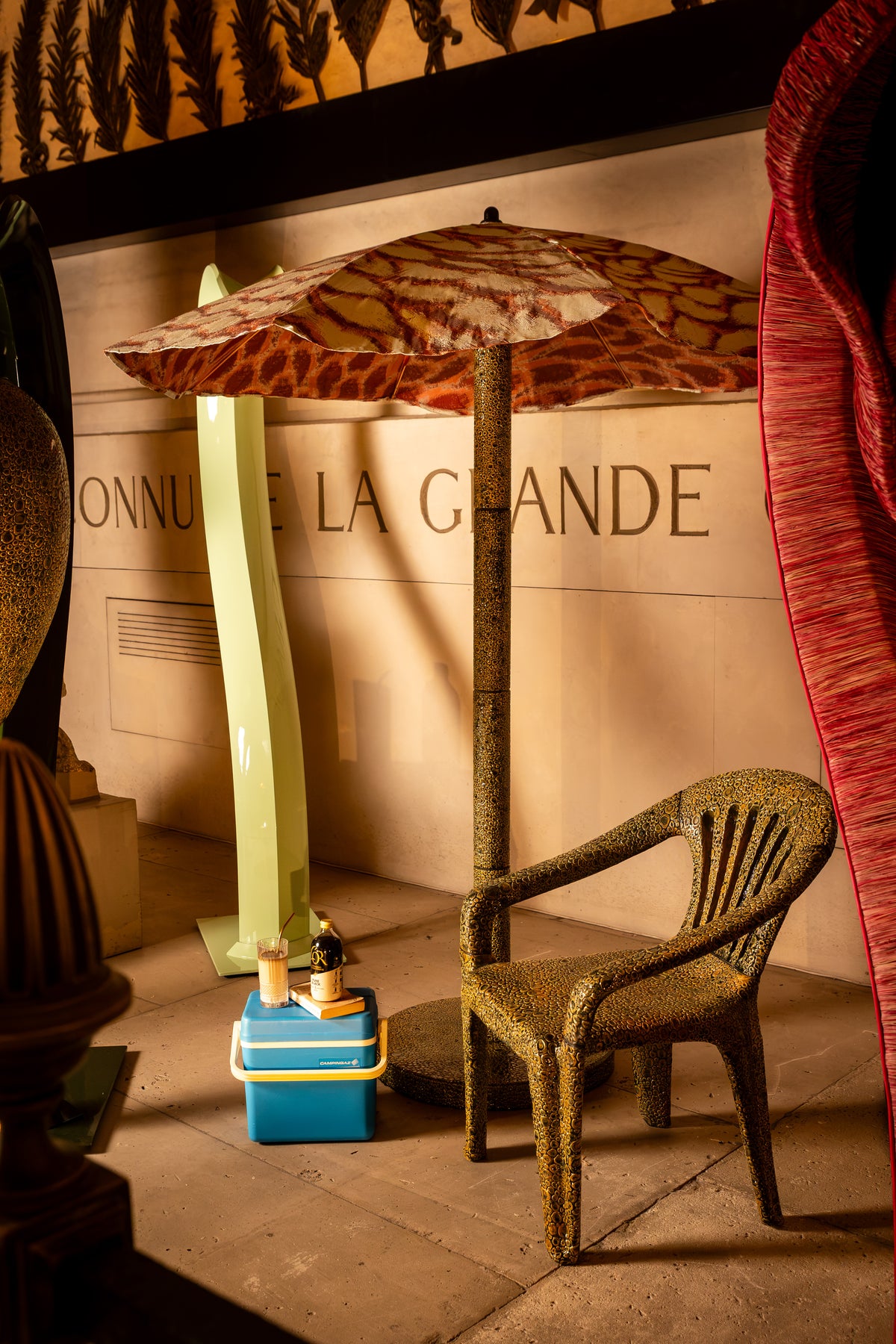
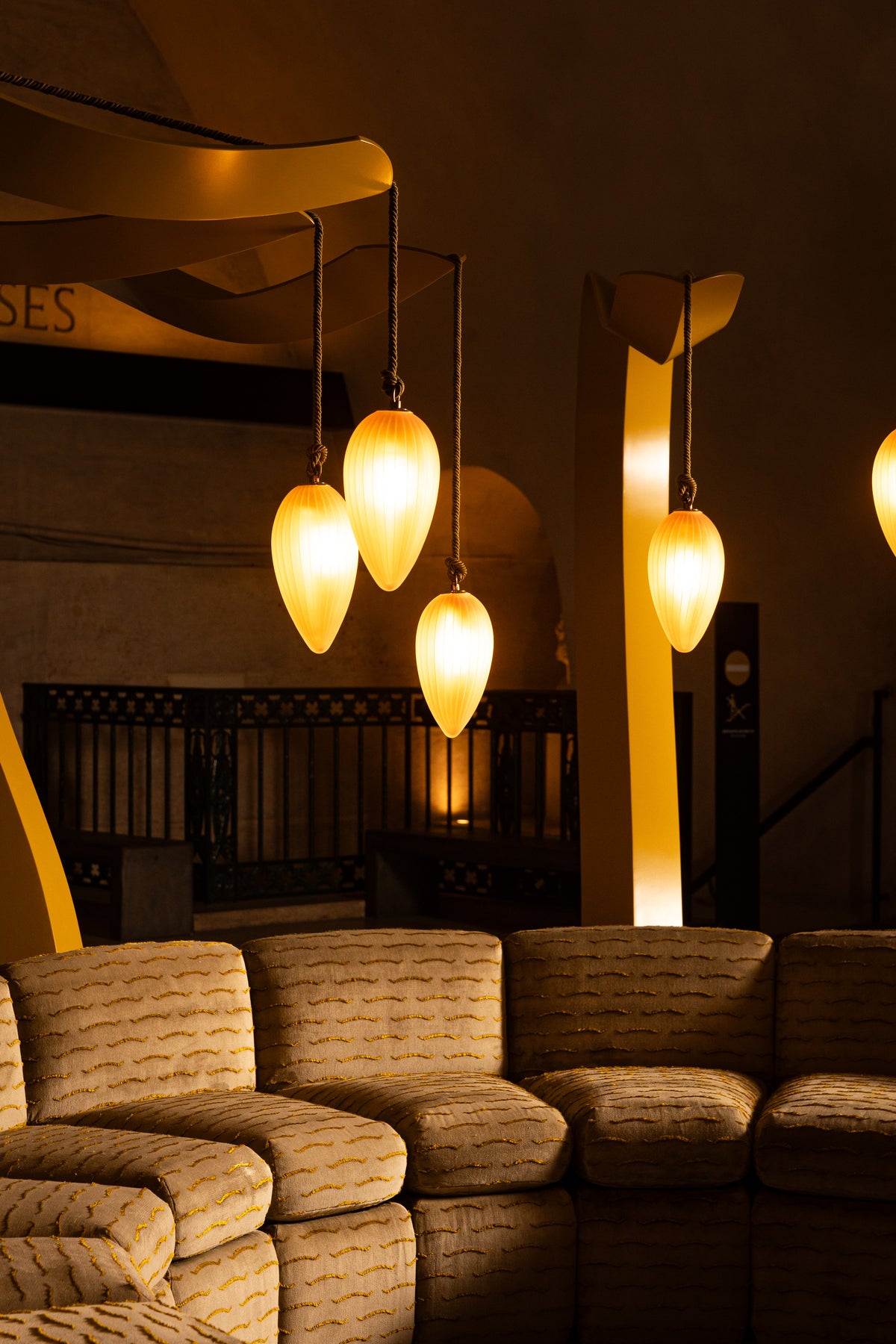
La Tempête is a full-fledged art exhibition conceived by the artist: more than thirty monumental pieces, created with master craftspeople. All of them engage in dialogue with unprecedented collaborations, from fashion to contemporary art. Jérémy Pradier-Jeauneau blends modes of expression, proving himself to be a multidisciplinary artist.
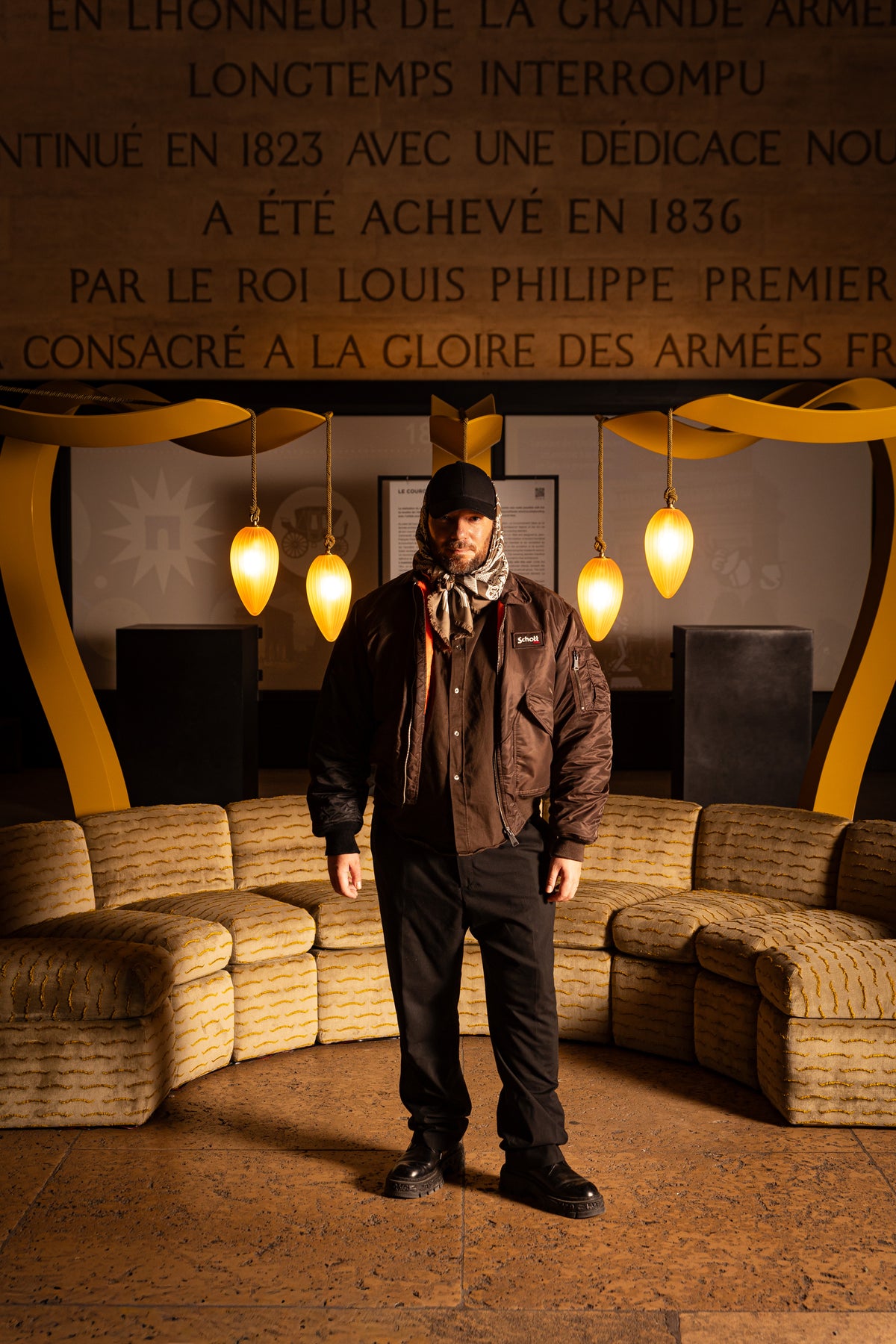
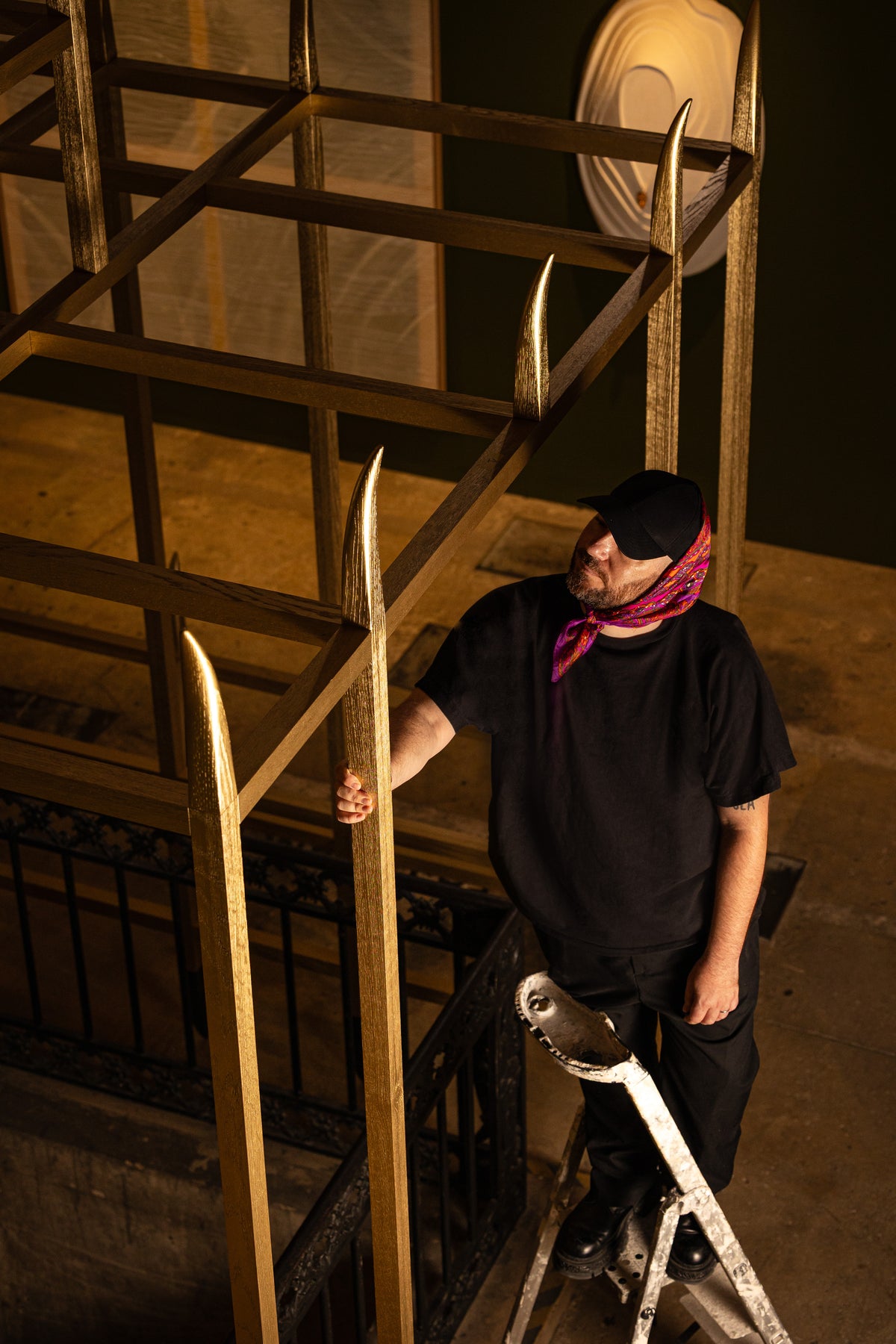
WHEN ART MEETS PERFUME. WHEN TWO PERSONAL STORIES GIVE BIRTH TO A COLLECTIVE WORK.

At the House of BDK Parfums, every creation is born of an encounter. Since its founding in 2016, the Parisian creative Studio has envisioned perfumery as a permanent dialogue between disciplines, perspectives and sensibilities. Here, a fragrance is never conceived alone: it is built through exchange, through shared emotion, through interpreted matter. Creation is above all a collective adventure.
With the exhibition project La Tempête, David Benedek and Jérémy Pradier-Jeauneau come together around a shared sensibility: that of the intimate and of transmission, in which a maternal figure holds a discreet yet foundational place in each of their journeys.
From their personal trajectories emerges a common vision: that of a creation that connects memory, matter and artistic expression. The encounter with Jérémy Pradier-Jeauneau thus feels like a natural step, the extension of a shared quest for meaning and new territories of creation.
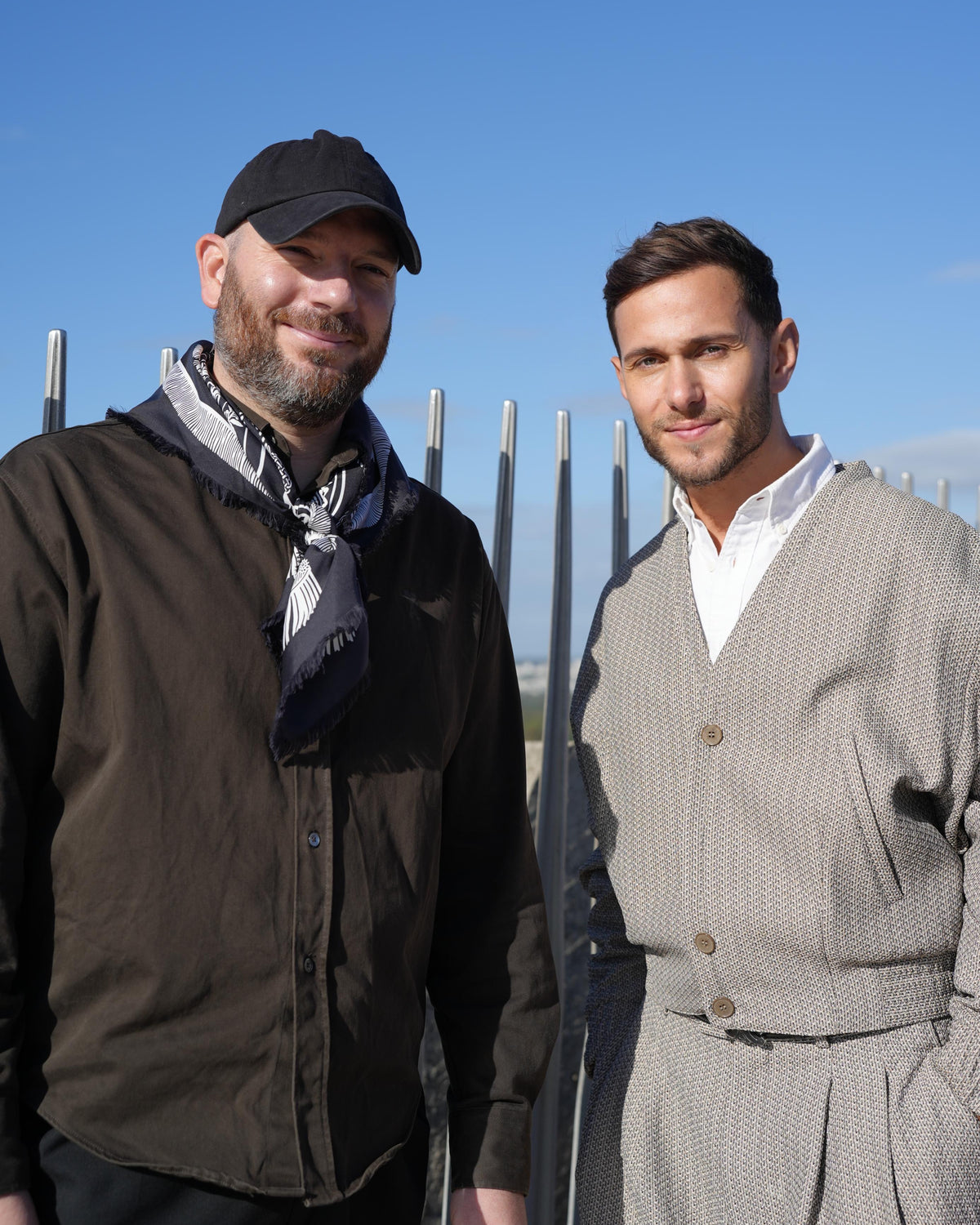
"As an artist, Jérémy Pradier-Jeauneau embodies a new generation of French creators at the frontier of art, installation and artisanal craftsmanship. He has the ability to call upon and draw from a plurality of savoir-faire, and from exceptional creators and artisans, to create and rethink spaces outside of time," explains David Benedek.
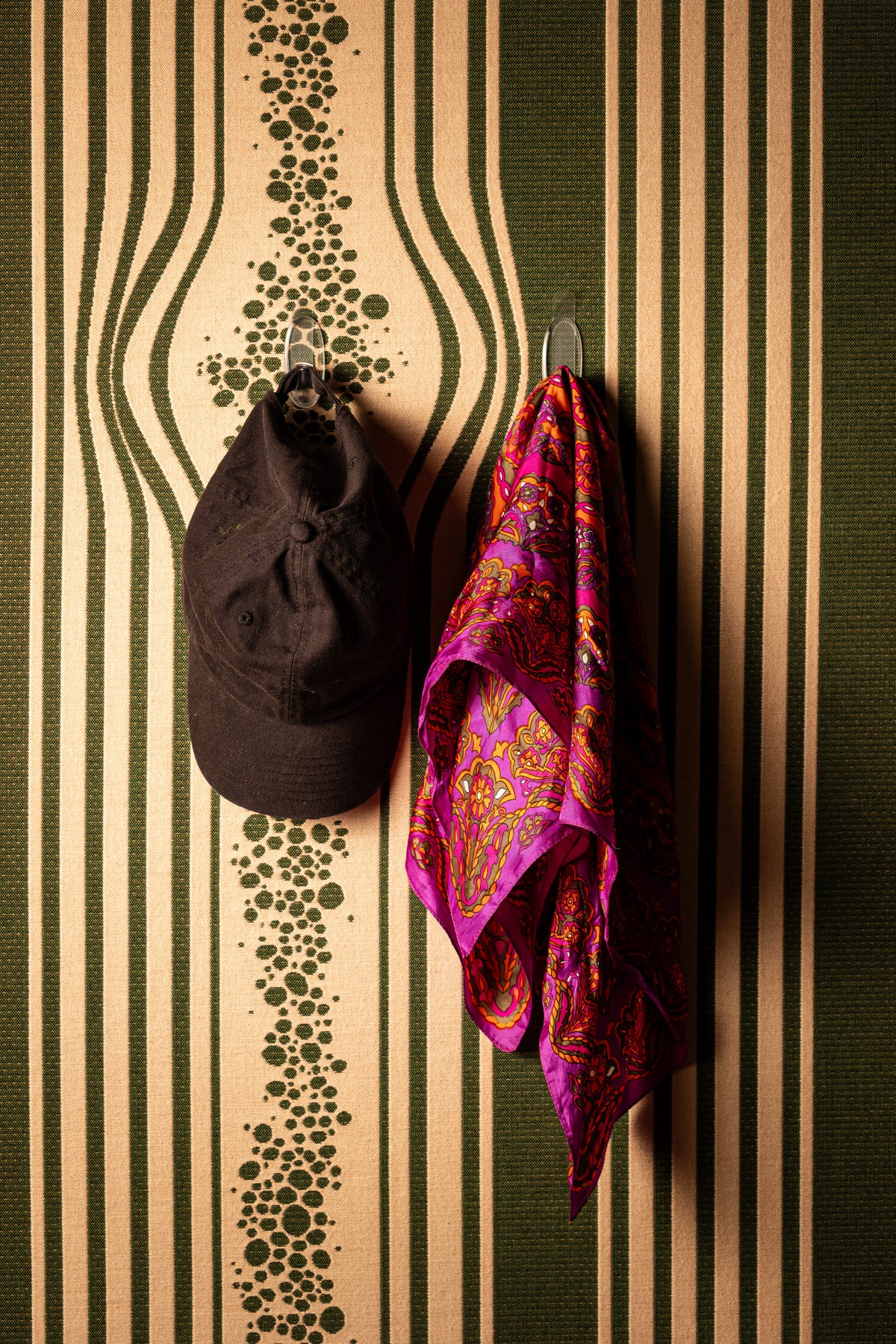
With La Tempête, he signs an immersive journey that offers a contemporary reinterpretation of this emblematic landmark. He imagines a sensitive passage leading to a hanging garden, guided by the myth of the Rose of Saint Rita, where each space marks a stage and a transformation. The works thus transform the monument's rooms into sensory environments: textile surfaces, sculptural structures, displaced domestic objects, organic or architectural forms, sound compositions and olfactory routes accompany the visit.
La Tempête is conceived as a global experience, inviting us to question the void as a space for creation, introspection and renewal, or where the intimate meets the collective.
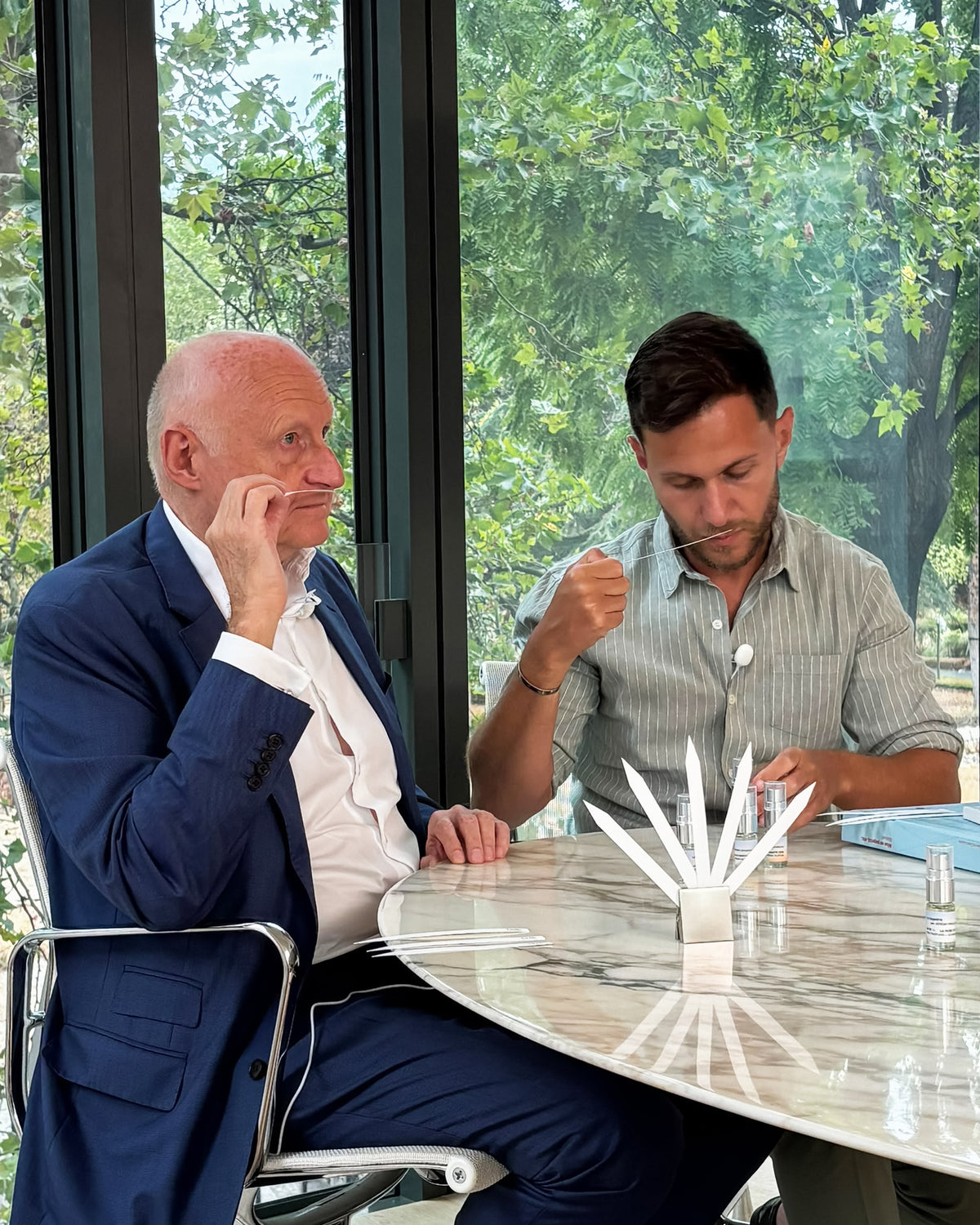
To bring this vision to life, David Benedek has surrounded himself with Dominique Ropion.
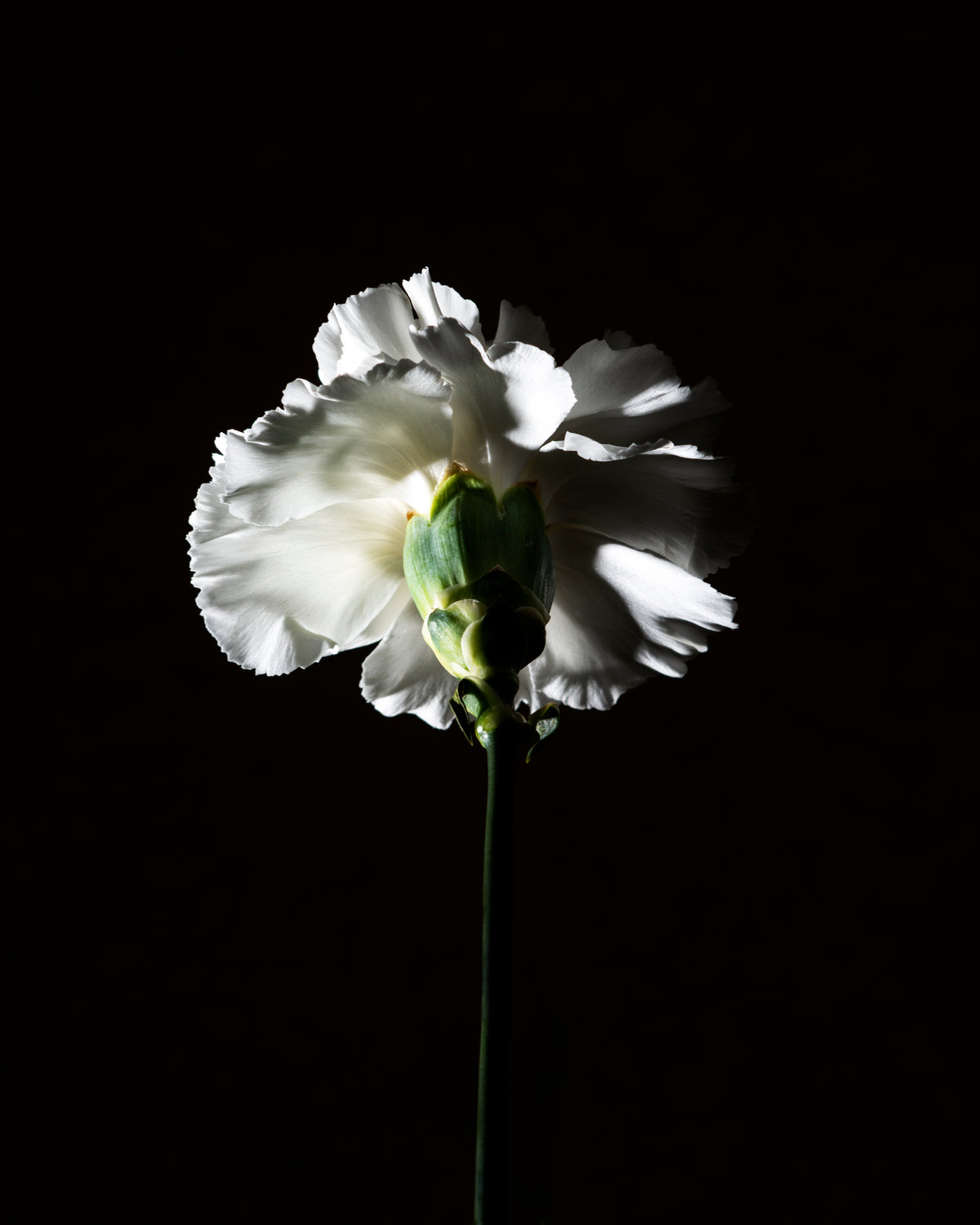
One of the most renowned Master Perfumers, he is admired for his work with floral materials and his singular way of interpreting the rose, which he shapes with precision, depth and modernity. A natural choice for this project, structured around the Rose of Saint Rita, a myth according to which a rose bloomed in the middle of winter, shortly before her death, a symbol of a miracle born of the impossible and of beauty arising from hardship. "Dominique Ropion is not only a great perfumer but also an exceptional technician. There is something very monumental in his work, much like the Arc de Triomphe," says David Benedek.
Together, they have composed a creation conceived as an invisible thread, in constant resonance with the journey imagined by Jérémy Pradier-Jeauneau.
From this meeting of three minds, across design, artistic direction and perfumery, a common language was born, at the origin of this olfactory work.
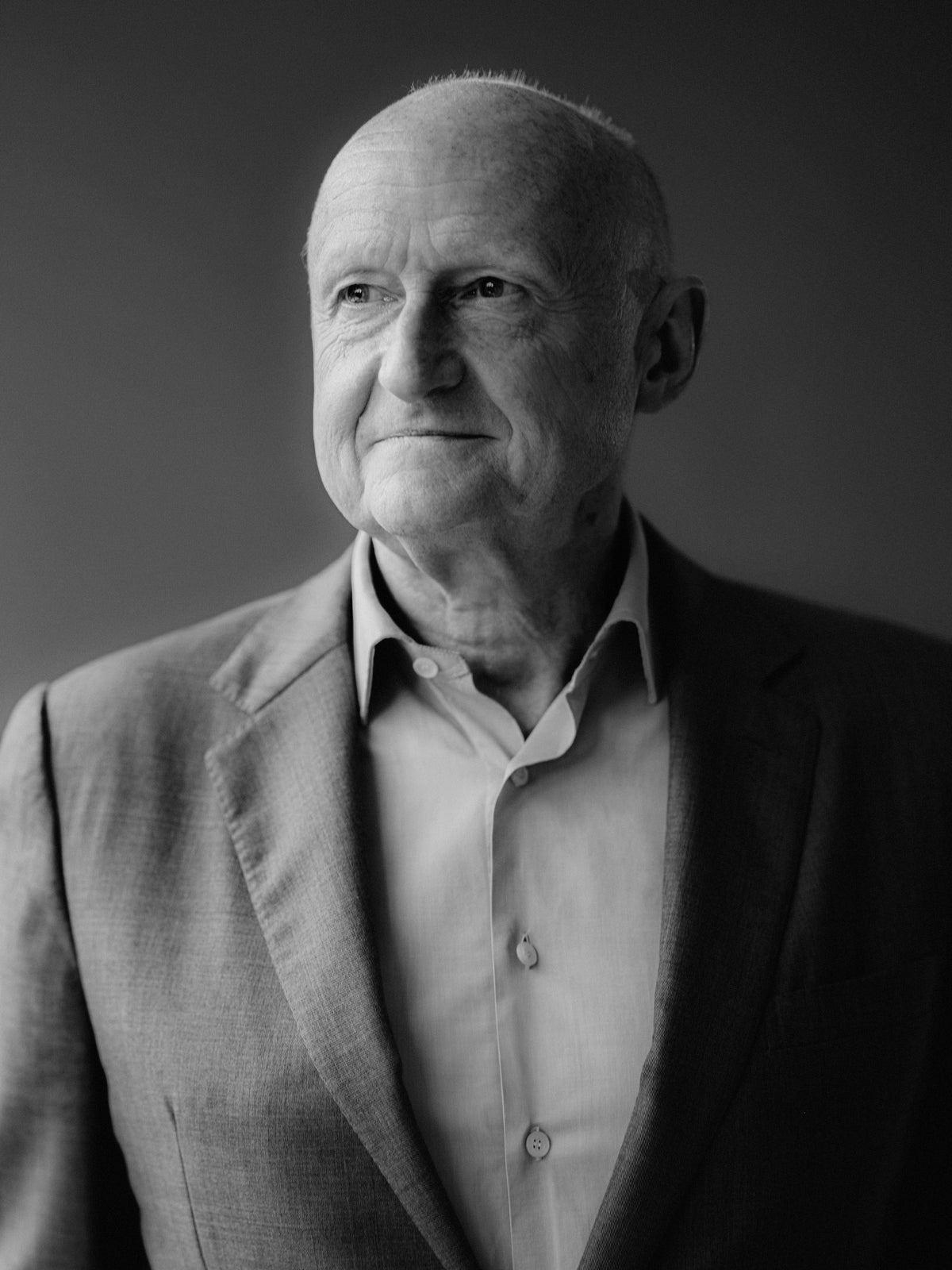
INTERVIEW WITH DOMINIQUE ROPION, MASTER PERFUMER AT IFF
How was this olfactory construction developed, between artistic intention and the choice of ingredients? Could you describe its final version and the way the notes emerge and interact with one another?
Very early on, two poles established themselves. On one side, the storm and immediately the idea of vetiver, powerful, mineral, almost rocky at times. Its damp and earthy character conveys the idea of the storm, of raw matter, of the landscape before its transformation. On the other, the rose, used in almost monumental proportions to accompany the final room. I did not want a decorative or illustrative rose, but a rose in majesty, capable of occupying the space like an architectural presence. Between these two extremes lies a transitional space. That is where the perfume truly becomes alive. The initial elements remain present, but they enter a state of effervescence. The vegetal facets, the greener or more floral nuances intertwine and continuously recompose themselves. I do not see this structure as a classic succession of top, heart, and base notes. I prefer to consider it as an organic evolution where each material gradually changes state, like a fantastic garden in perpetual transformation.

Did the creation of this fragrance require a different approach than a project based on a more classic brief?
Yes, the approach was different. In a classic project, a fragrance generally exists for its own sake. Here, it had to engage in a dialogue with a space, a narrative, and a visual experience. We had to think in terms of storytelling and progression. I have often considered that a perfume should take the wearer from point A to point B. In this project, that idea became central. The fragrance does not describe a state; it accompanies a transformation. It is not the first time I have worked on a narrative construction, but rarely in such an explicit way. The exhibition offers the opportunity to make visible what we often seek to do invisibly in perfumery: create emotion through movement, and give birth to a story through the metamorphosis of materials. That is precisely what made this experience so exciting.
THE TEMPEST EXHIBITION
ADDRESS
Arc de Triomphe
Place de l'Etoile
75008 Paris
DATES & ACCESSIBILITY
From September 9, 2026
to October 4, 2026
Free admission


